
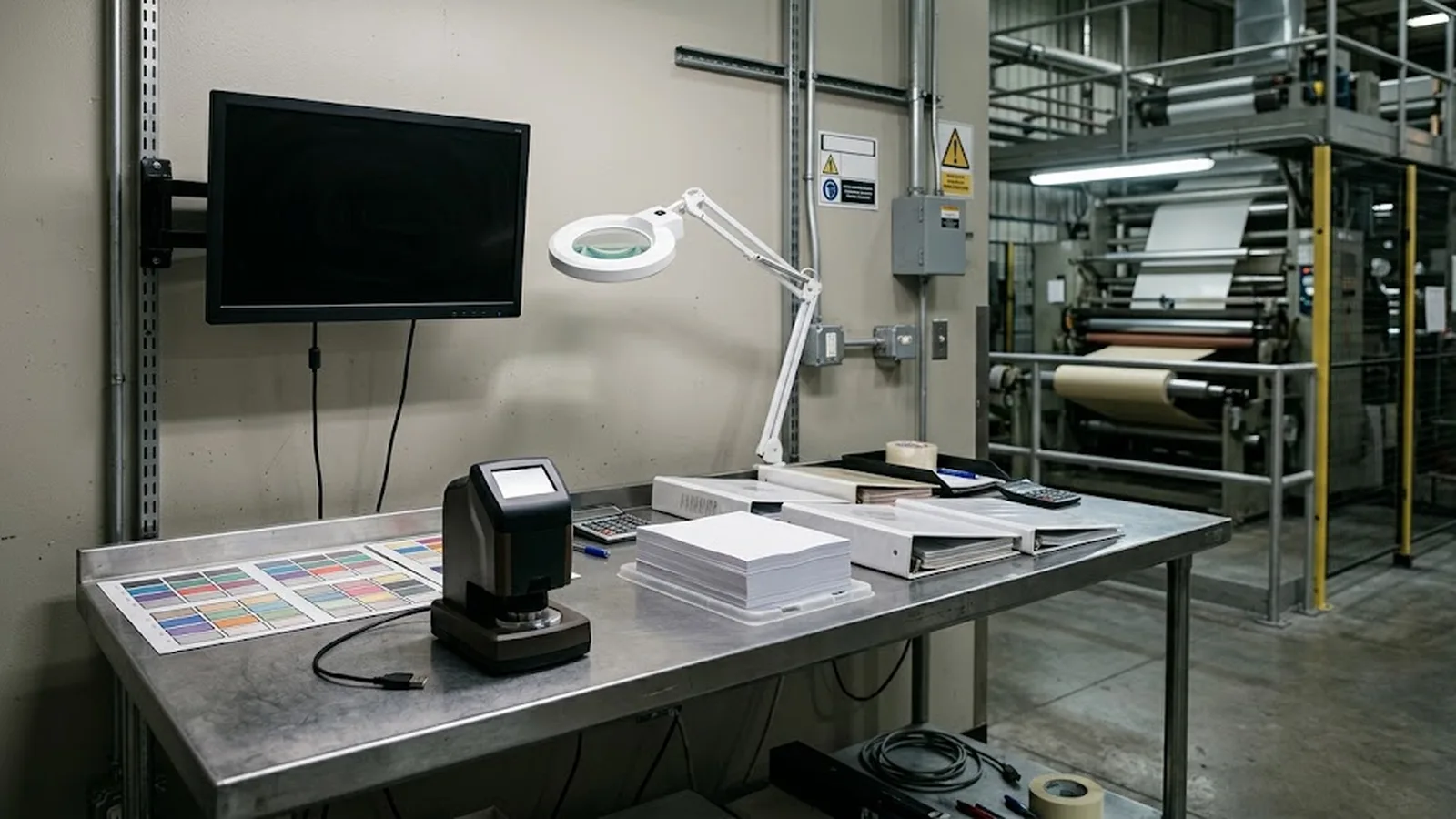
BPA-free thermal paper means the developer no longer contains bisphenol A — but the substitute may still be another bisphenol, usually BPS. Phenol-free (often marketed as phenol-free or bisphenol-free) thermal paper replaces the entire phenolic developer family with alternative chemistries such as Pergafast or D8. For buyers, the practical difference is regulatory headroom: BPA-free clears current BPA restrictions, while phenol-free clears BPA, BPS and anticipated developer restrictions, at a higher price and with slightly different printing behaviour.
Compliance has become one of the first questions serious buyers ask about thermal paper, and the vocabulary around it is genuinely confusing. 'BPA-free', 'phenol-free' and 'bisphenol-free' appear side by side on quotations, yet they describe different chemistry, different regulatory coverage and different price points.
The confusion is understandable because thermal paper's imaging system has historically relied on a phenolic developer — bisphenol A for decades, then bisphenol S in many BPA-free products. Regulators have followed the chemistry, which means the definition of a compliant grade keeps moving. A buyer who understands the developer system can read any certificate and any regulation without being misled by marketing labels.
This guide explains the developer options in plain terms, compares BPA-free and phenol-free constructions, summarises the regulatory landscape that matters for export shipments, and gives you a checklist for specifying and documenting a compliant grade for your market.
- The developer is the chemical that reacts with the leuco dye to form the printed image — its identity defines the compliance class.
- BPA-free means no bisphenol A, but the substitute is often bisphenol S (BPS), which is itself regulated in some markets.
- Phenol-free grades replace the whole bisphenol/phenolic family with alternatives such as Pergafast 201 or D8.
- Regulatory pressure starts with BPA but is progressively extending to BPS and other bisphenols.
- Buy by document, not by label: request the safety data sheet, test reports and a compliance declaration naming the developer.
The developer is the compliance hinge
Thermal paper images because a leuco dye and a developer sit together in the coating. At room temperature they are inert solids; under the print head's heat they melt, react, and lock into a dark pixel. For most of the industry's history the developer of choice was bisphenol A (BPA) — cheap, stable, and effective at a wide range of print energies.
BPA came under restriction because it is an endocrine-active substance that can transfer from the paper to skin. As regulators moved against BPA, manufacturers reformulated, and most BPA-free thermal paper on the market today uses bisphenol S (BPS) as the developer. BPS restored the price and performance profile, and for a few years BPA-free and BPS-based were effectively the same product.
The next step in the regulatory sequence is now visible: several jurisdictions have restricted or are assessing BPS and other bisphenols for the same reasons as BPA. That is what created the market for genuinely phenol-free grades, which use developers from entirely different chemical families.
| Developer system | Marketing label | Regulatory position | Typical cost |
|---|---|---|---|
| Bisphenol A (BPA) | BPA thermal paper (legacy) | Restricted or banned in the EU, US states, Japan and others | Lowest |
| Bisphenol S (BPS) | BPA-free | Clears BPA rules; BPS itself now restricted or under review in several markets | Low |
| Pergafast 201 / urea-based | Phenol-free | No bisphenols; accepted for the strictest current requirements | Medium-high |
| D8 (dioctyl-diphenylamine-type) and other alternatives | Phenol-free / bisphenol-free | No bisphenols; performance varies by grade | High |
Always confirm the actual developer in the certificate of analysis — labels are marketing, chemistry is documentation.
BPA-free: what it does and does not guarantee
BPA-free thermal paper removes bisphenol A from the developer. For buyers shipping to markets that restrict BPA specifically, a documented BPA-free grade with a test report is usually sufficient, and it keeps the cost close to conventional paper. This is why BPA-free remains the volume standard in many receipt programs.
What BPA-free does not guarantee is freedom from all bisphenols. If the developer is BPS — and in most BPA-free products it is — the paper is bisphenol-based. Procurement documents that say only 'BPA-free' can therefore be satisfied with a product that the next round of regulation will displace. Ask the direct question: what is the developer?
There is also a quality dimension. Early BPS grades had a reputation for slightly lower image retention and different sensitivity, but modern formulations have largely closed that gap. Today the meaningful differences between BPS and phenol-free grades are regulatory headroom and price, not print quality.
Phenol-free: the strictest current standard
Phenol-free thermal paper eliminates the entire phenolic developer family, including BPA and BPS, and replaces it with alternative chemistries. The most widely used is Pergafast 201, a urea-based developer; others include sulfonyl urea and diphenylamine derivatives. These systems have been refined for years and now print reliably on standard receipt and label machines.
The trade-offs are cost and formulation sensitivity. Phenol-free grades typically carry a meaningful premium over BPS-based paper, and their imaging characteristics can differ slightly — sensitivity curves, image density and scuff behaviour vary by construction, so samples should be validated on your actual machines before a program switch.
For buyers in markets or customer chains with strict chemical policies — public tenders, large retail chains, healthcare and food-contact-adjacent programs — phenol-free is increasingly the specification of record, and the premium is accepted as a compliance cost rather than debated.
The regulatory landscape for export shipments
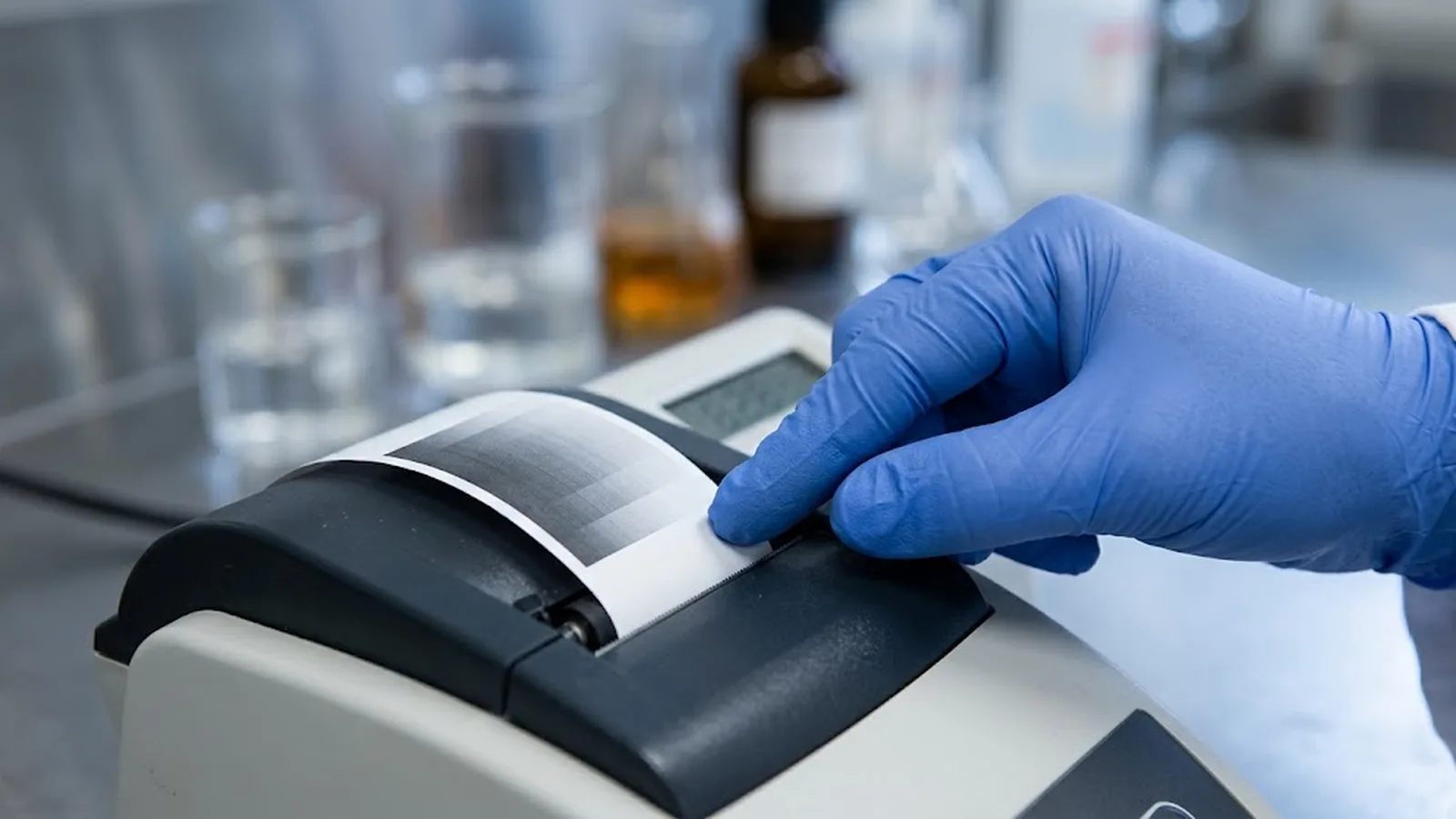
Regulations differ by destination, and they change. In the European Union, REACH restricted BPA in thermal paper (0.02% weight limit) with effect from 2020, and bisphenols including BPS have since been added to the candidate list of substances of very high concern, signalling further restriction. France went earlier and further with a national ban. In the United States, several states restrict BPA in thermal paper, and large retail chains have driven phenol-free conversions ahead of legislation. Japan, Canada and others have their own timelines.
For an exporter, the practical consequence is that one compliance profile no longer fits all destinations. A shipment that is legal as BPA-free in one market may fall short of a customer's phenol-free procurement policy in another. The safest commercial posture is to know the developer of every grade you buy, and to match it to the strictest requirement your product will meet — not just the legal minimum of the port of entry.
Regulatory status also flows down the documentation chain. Customs authorities, retail compliance teams and certification auditors increasingly ask for evidence, not claims, which is why the documents section below matters as much as the chemistry.
- EU REACH: BPA restricted in thermal paper since 2020; BPS and other bisphenols under SVHC processes.
- France: national ban on BPA in thermal receipt paper, in force since 2015.
- United States: state-level BPA restrictions plus strong retailer-driven phenol-free demand.
- Private standards: large chains and tenders often exceed legal minimums — treat their policies as the real specification.
How to specify and document a compliant grade
Buy by document, not by adjective. A compliant purchase includes four artefacts: a safety data sheet naming the developer system; a third-party test report confirming BPA content (and, where relevant, BPS) below the claimed limit; a compliance declaration from the manufacturer covering the destination market's current rules; and a retention commitment, since regulations change faster than inventory turns.
When comparing quotations across suppliers, put the developer identity in the same cell as the price. A 'BPA-free' quote based on BPS and a phenol-free quote based on Pergafast are different products at different compliance levels, and comparing them only on price is how compliance gaps enter supply chains.
Finally, align the grade with the application. Short-life receipts in a lenient market may justify a BPS-based BPA-free grade; logistics labels, healthcare documents and any program with institutional customers justify phenol-free chemistry. State the document retention period and destination market in your enquiry so the factory can propose the right construction the first time.
| Program type | Recommended developer class | Rationale |
|---|---|---|
| High-volume retail receipts, lenient market | BPA-free (BPS-based) | Lowest compliant cost; adequate for short-life documents |
| Export programs with mixed destinations | Phenol-free | One compliance profile clears every market and retailer policy |
| Healthcare, food retail, public tenders | Phenol-free | Institutional policies typically ban all bisphenols |
| Archival labels and long-retention records | Phenol-free, top coated | Compliance plus image retention over years of filing |
Frequently asked questions
Is BPA-free thermal paper the same as phenol-free?
No. BPA-free means the developer contains no bisphenol A, but it is usually bisphenol S based. Phenol-free removes the entire phenolic developer family, including BPA and BPS, and uses alternatives such as Pergafast 201. Phenol-free offers greater regulatory headroom at a higher price.
Is BPS safe, or will it be banned like BPA?
BPS is under the same kind of scrutiny that led to BPA restrictions: it is endocrine-active in studies and has been added to regulatory watchlists in the EU. Some markets and many private procurement policies already restrict it. Buyers planning multi-year programs should treat phenol-free as the future-proof choice.
Does phenol-free thermal paper print as well as conventional paper?
Modern phenol-free grades print reliably on standard receipt and label machines, with density and sensitivity close to conventional chemistry. Because constructions differ, we recommend validating samples on your own machines before switching a program.
What documents should I require from a supplier?
A safety data sheet naming the developer, third-party test reports for BPA (and BPS where relevant), a compliance declaration covering your destination market, and confirmation that the declaration will be updated if regulations change during your program.
How much more does phenol-free thermal paper cost?
It typically carries a meaningful premium over BPS-based BPA-free grades, with the exact spread depending on gsm, width and volume. Many buyers absorb it as a compliance cost, especially for programs serving strict markets or institutional customers.